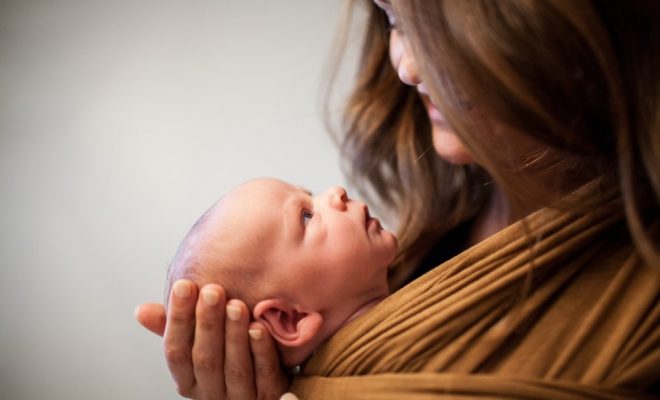
Why Postpartum Doula Education is Important
by Emily Mason
1. Supporting New Families: Postpartum doulas provide essential emotional, physical, and educational support to new families. This support is crucial for the well-being of both the parents and the baby during the postpartum period. New parents often face a steep learning curve, and having a knowledgeable and compassionate doula can make this transition smoother and more enjoyable. (Verywell Health).
2. Promoting Mental Health: The postpartum period can be overwhelming and isolating. Doulas offer a compassionate presence, helping to alleviate stress and reduce the risk of postpartum depression. By providing a safe space for parents to express their fears and anxieties, doulas contribute significantly to the mental health of new mothers and fathers. (https://www.ncbi.nlm.nih.gov/pmc/articles/PMC10292163/) (https://journals.sagepub.com/doi/full/10.1177/2150131912451598)
3. Encouraging Informed Parenting: Education empowers parents to make informed decisions about their baby’s care. Postpartum doulas share evidence-based information on breastfeeding, infant care, and self-care. This knowledge helps parents feel more confident and competent in their new roles, leading to better outcomes for both parents and children. (https://www.ncbi.nlm.nih.gov/pmc/articles/PMC9257331/)
4. Creating a Stronger Bond: By offering support and education, doulas help parents build confidence and create a strong bond with their baby, which is fundamental for the child’s development. This early bonding is crucial for the baby’s emotional and psychological growth, and doulas play a key role in facilitating these precious moments. (https://www.jognn.org/article/S0884-2175(15)30170-2/abstract.)
How I Got Involved
My journey into postpartum doula education began with a personal quest to understand the traumas associated with adoption. When my husband and I welcomed our daughter, Bentleigh, through the foster care system, I dove into research on the brain and trauma. This led me to the International Childbirth Education Association (ICEA), where I helped write a curriculum for their Postpartum Doula course.
The adoption process opened my eyes to the significant emotional and psychological challenges that both parents and children face. I realized the importance of having skilled professionals who could provide the necessary support and guidance during this critical time. My research into trauma and the brain further solidified my belief in the need for comprehensive postpartum support.
In 2018, I took my passion for teaching worldwide, conducting workshops in China and beyond. This experience reinforced my commitment to supporting new families and educating others about the critical role of postpartum doulas. Teaching internationally allowed me to see the universal need for postpartum support and the positive impact it has on families across different cultures.
When my husband and I had a biological child, I experienced firsthand how different each pregnancy and postpartum period can be. The challenges and joys of raising a child from birth were entirely different from our adoption journey. This diversity in experiences honed my understanding that every pregnancy is unique, reinforcing the need for personalized postpartum care.
Now, as a doctoral student at the University of Arkansas, focusing on education leadership and organizational leadership, I continue to learn and share knowledge. My academic journey has provided me with a deeper understanding of the complexities of people, hospitals, corporations, and organizations. This has empowered me to lead a multitude of individuals who will work firsthand to change the postpartum care realm. My goal is to inspire others and contribute to a community where families feel supported and informed.
The Growing Recognition of Doula Services
Several states and companies are recognizing the importance of doula services and are starting to provide resources or reimbursements. For instance, states like New Jersey, New York, and Oregon have introduced Medicaid reimbursement for doula services, acknowledging their value in improving maternal and infant health outcomes. Washington State has set a significant precedent by establishing the highest Medicaid birth doula reimbursement rate in the nation, at $3,500 per birth, ensuring living wages for doulas and better access to services for Medicaid enrollees (NASHP) (UnitedHealthcare Community & State ) (Open Arms Perinatal Services).
Conclusion
The journey of becoming a postpartum doula is not just a career choice but a calling to support and empower new mothers during one of the most transformative times of their lives. Through education and leadership, we can continue to advocate for the importance of postpartum doula services and work towards a future where every family has access to the support they need for a healthy and positive postpartum experience.
For more information on how doula services can improve birth outcomes and the growing support for these services, visit Carrot Blog.
Join the Journey
I invite you to connect with me and share your experiences and insights about postpartum care. Whether you’re a fellow doula, a parent, or someone interested in this field, let’s learn and grow together. The exchange of ideas and experiences is vital in enhancing our collective knowledge and improving the support we provide to families.
Let’s build a community where we can learn from each other, share best practices, and grow together. By coming together, we can advocate for better postpartum care and ensure that all families have access to the support they need. Drop a comment below or send me a message. Let’s lead the way in education and innovation!
Looking forward to engaging with you all! 🤝
For more information on postpartum doula education and resources, visit our ICEA website and Edu(Brain)tion.